
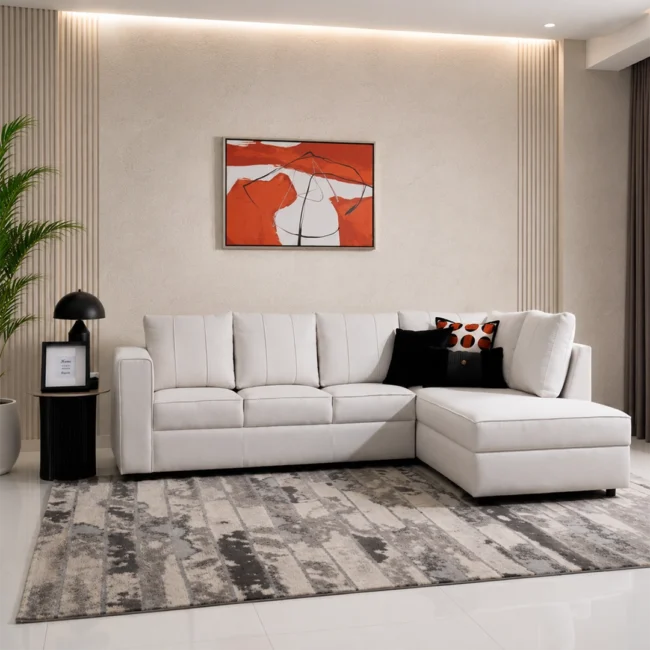
How to Fit a Corner Sofa Into a Small Living Room
A small living room does not mean you have to give up on a comfortable and stylish sofa. In fact, a well-chosen corner sofa for a small living room can make better use of your available space while providing plenty of seating for family and guests. The key is to choose the right size, position the sofa carefully, and avoid filling the room with too much furniture.
If you are wondering how to make a corner sofa work in a compact space, these practical tips can help you create a living room that feels comfortable, open, and well organised.
Can a Corner Sofa Work in a Small Living Room?
Yes, a corner sofa can work very well in a small living room when its dimensions and placement are carefully considered. Instead of taking up space in the middle of the room, an L-shaped or corner sofa can sit against two walls and make use of an otherwise unused corner.
This arrangement can also create a clear central area, making the room easier to move around. However, avoid choosing a sofa simply because it looks attractive. Always measure your room, doorways, and available floor space before buying.
Choose the Right Size Corner Sofa
Size is one of the most important factors when choosing a small corner sofa. A sofa that is too large can quickly make a compact living room feel crowded.
Start by measuring the length and width of the area where you plan to place the sofa. Then consider the sofa’s overall dimensions, including its depth and chaise section.
A compact design with a slimmer frame can provide comfortable seating without overwhelming the room. If possible, leave enough space around the sofa for easy movement and access to other furniture.
Also, remember to measure your entrance, hallway, lift, and doorways. A sofa may fit perfectly in your living room but still be difficult to bring inside.
Where Should You Put a Corner Sofa in a Small Living Room?
The simplest solution is usually to position the sofa in a corner, with its longer sections running along the walls. This helps free up the centre of the room and creates a more open layout.
If your room has a window, avoid completely blocking it with the sofa. Natural light can make a small living room feel larger and brighter, so keeping windows as open as possible is often beneficial.
You can also position the corner sofa opposite a TV or media unit, provided there is enough space for comfortable viewing and movement.
Before finalising the arrangement, mark the sofa’s dimensions on the floor using masking tape. This simple trick lets you see how much floor space it will actually occupy.
6 Ways to Make a Corner Sofa Work in a Small Space
1. Use the Corner Efficiently
The biggest advantage of a corner sofa is its ability to use awkward corners. Place it neatly against the walls where possible instead of leaving unnecessary gaps.
2. Keep Walkways Clear
A good furniture layout should allow people to move around the room easily. Avoid placing coffee tables, side tables, or decorative furniture directly in the main walking path.
3. Choose a Slim-Profile Design
Look for a sofa with a streamlined frame and sensible seat depth. Bulky arms and oversized cushions can make a small room feel more restricted.
4. Use Light and Neutral Colours
Light shades can help create a brighter and more spacious appearance. Beige, cream, light grey, and other neutral tones can work particularly well in compact living rooms.
However, you do not have to avoid darker colours completely. You can introduce deeper shades through cushions, rugs, curtains, or other accessories.
5. Choose Multifunctional Furniture
When floor space is limited, every piece of furniture should have a purpose. Consider an ottoman with storage, a compact nesting table, or a coffee table with additional storage.
This can help keep everyday items organised without adding unnecessary furniture.
6. Avoid Overcrowding the Room
One of the most common mistakes in a small living room is trying to include too many pieces of furniture. Once you have your corner sofa in place, consider whether you really need additional chairs or large cabinets.
Leaving some open floor space can make the entire room feel more comfortable.
How to Make a Small Living Room Look Bigger
A well-planned sofa layout is only part of the solution. Mirrors can reflect light and create a greater sense of depth, while curtains positioned closer to the ceiling can make the room appear taller.
You can also use a rug to define the seating area without physically separating it from the rest of the room. Keeping surfaces tidy and using consistent colours throughout the space can further improve the sense of openness.
Most importantly, avoid blocking natural light and keep unnecessary visual clutter to a minimum.
Common Corner Sofa Mistakes to Avoid
Before buying a corner sofa, avoid choosing a design based solely on its appearance. A beautiful sofa that is too large for the room will not create a practical layout.
Other common mistakes include ignoring sofa depth, blocking doors or windows, leaving insufficient walking space, and forgetting to measure access points.
Take accurate measurements first and think about how you use the room every day. This will help you choose a sofa that looks good and functions well.
FAQs About Corner Sofas for Small Living Rooms
Is a corner sofa good for a small living room?
Yes. A corner sofa can be an excellent choice because it uses corner space efficiently and can provide several seats without requiring separate chairs.
What size sofa is best for a small living room?
There is no single ideal size. The best option depends on your room dimensions and layout. Measure your available space and choose a compact design that leaves comfortable walking areas.
How do I arrange an L-shaped sofa in a small room?
Place the longer section against a wall or along the room’s main edge, with the shorter section fitting naturally into a corner. Keep the centre and main walkways as open as possible.
How can I make a small living room feel bigger?
Use an efficient furniture layout, maximise natural light, reduce clutter, and consider mirrors and light-coloured furnishings. Choosing appropriately sized furniture is equally important.
Final Thoughts
Finding the right corner sofa for a small living room is mainly about balance. You want enough seating and comfort without sacrificing movement or making the space feel crowded.
Measure your room carefully, choose a proportionate sofa, use corners efficiently, and keep the rest of your furniture simple. With the right layout, even a compact living room can feel spacious, comfortable, and stylish.