


Subtotal: AED 30,123
-
-
-
-
-
NEW ARRIVALS
-
NEW ARRIVALS
-
-
-
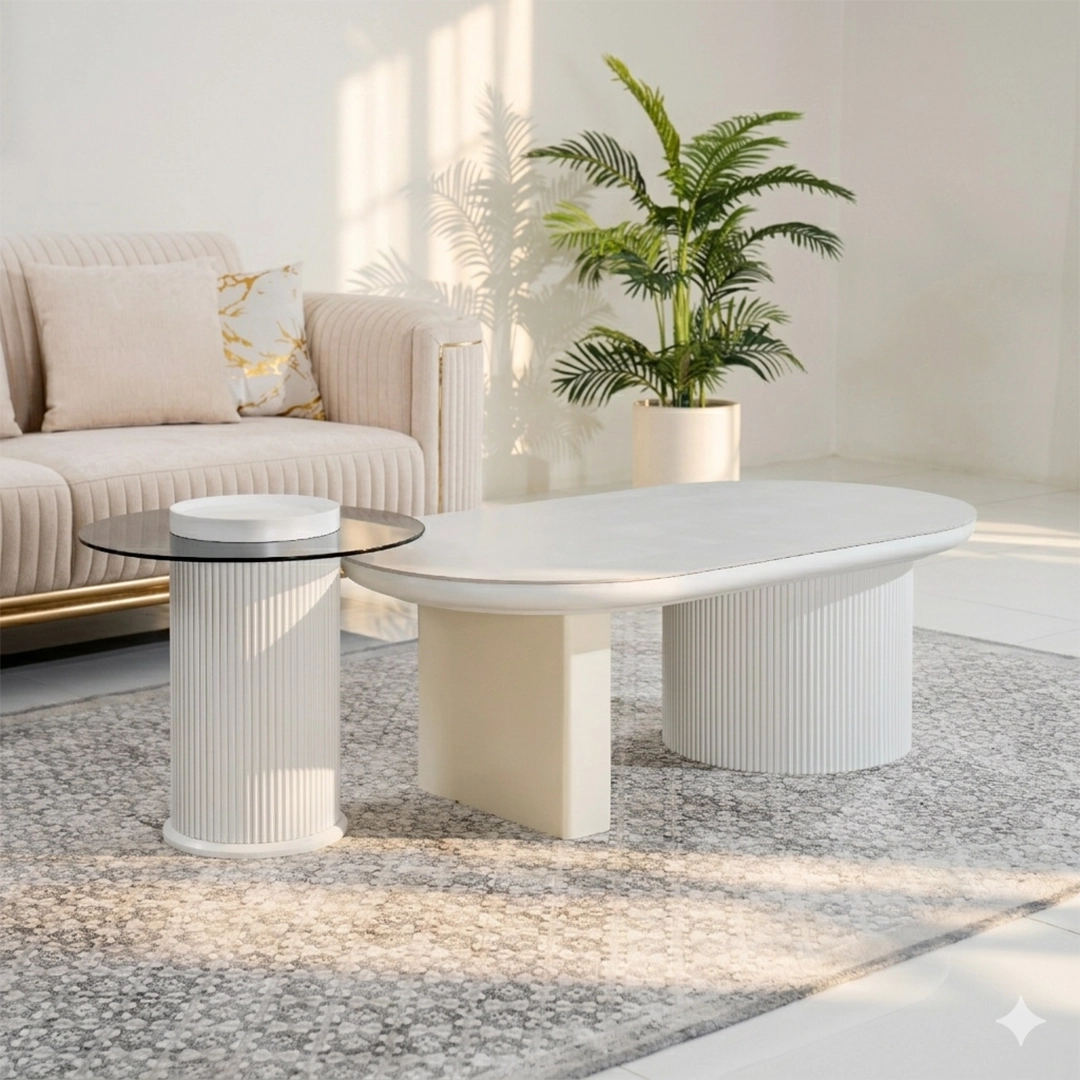
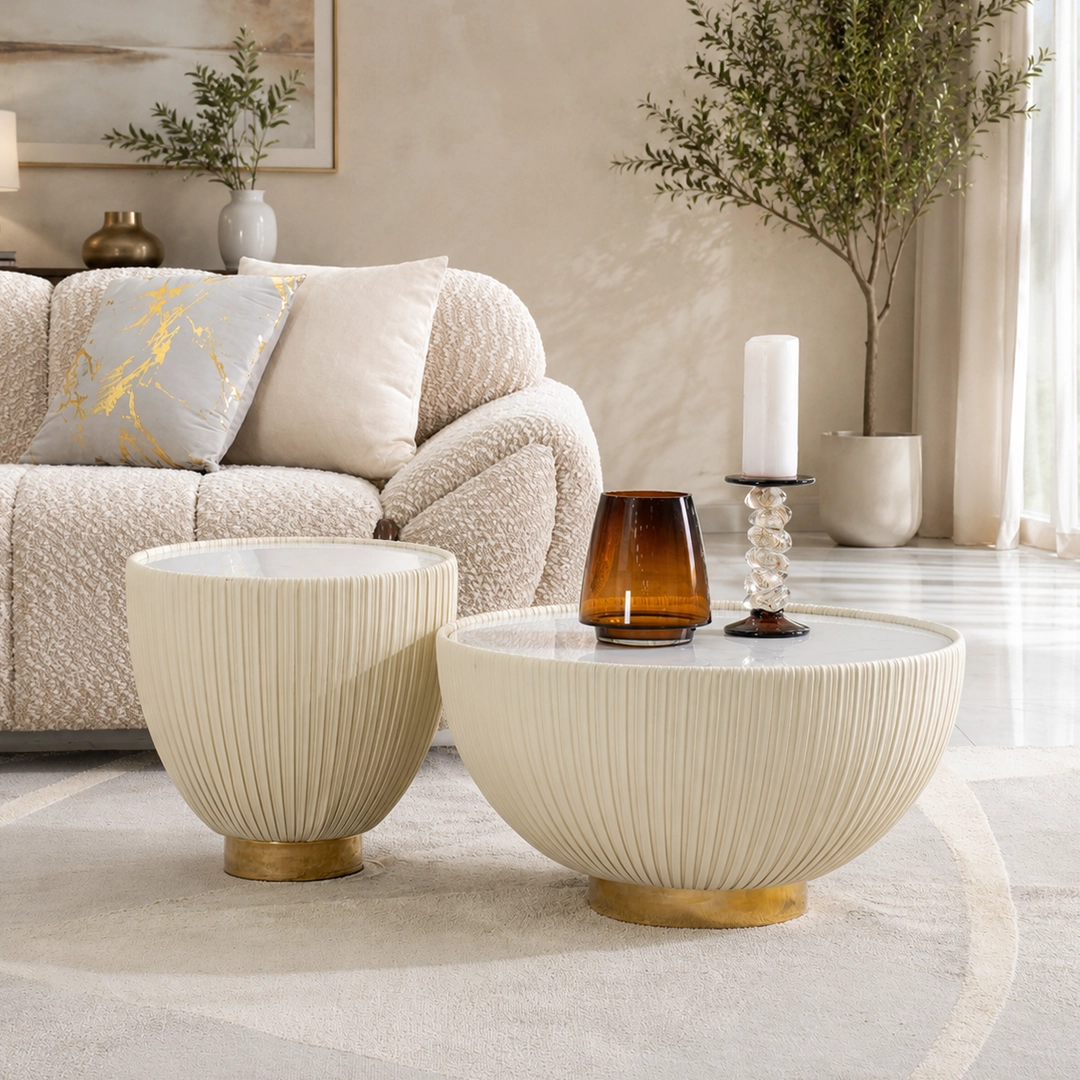
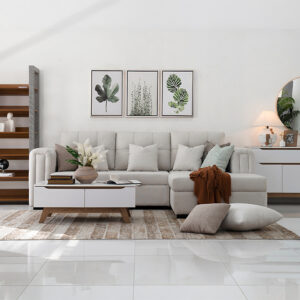
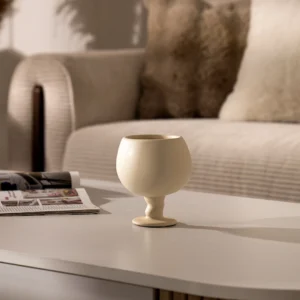
Freedo Coffee Table-Set of 2-Off White
Original price was: AED 1,700.AED 845Current price is: AED 845.50 -
NEW ARRIVALS
-
NEW ARRIVALS
-
-
NEW ARRIVALS
-
-
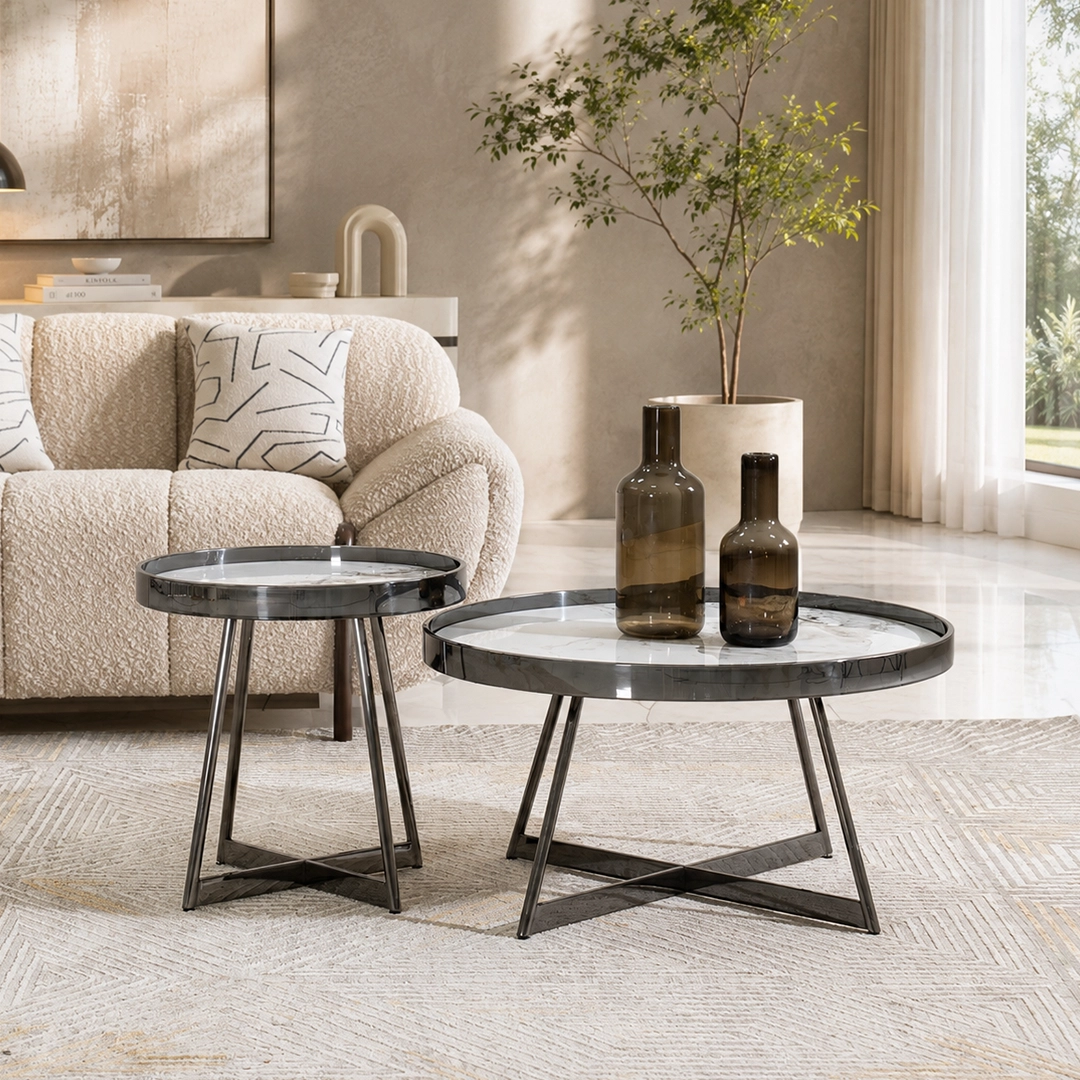
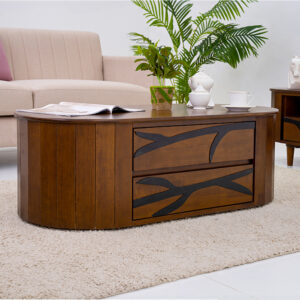
Flora 2-piece Coffee Table Set
Original price was: AED 1,980.AED 1,385Current price is: AED 1,385.NEW ARRIVALS -
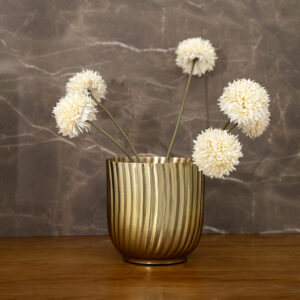
Alexandra 2-piece Coffee Table Set-Black
Original price was: AED 1,420.AED 995Current price is: AED 995.NEW ARRIVALS -
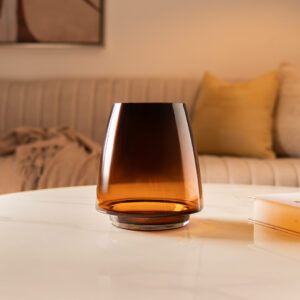
Pearl 2-piece Coffee Table Set
Original price was: AED 1,335.AED 935Current price is: AED 935.NEW ARRIVALS -
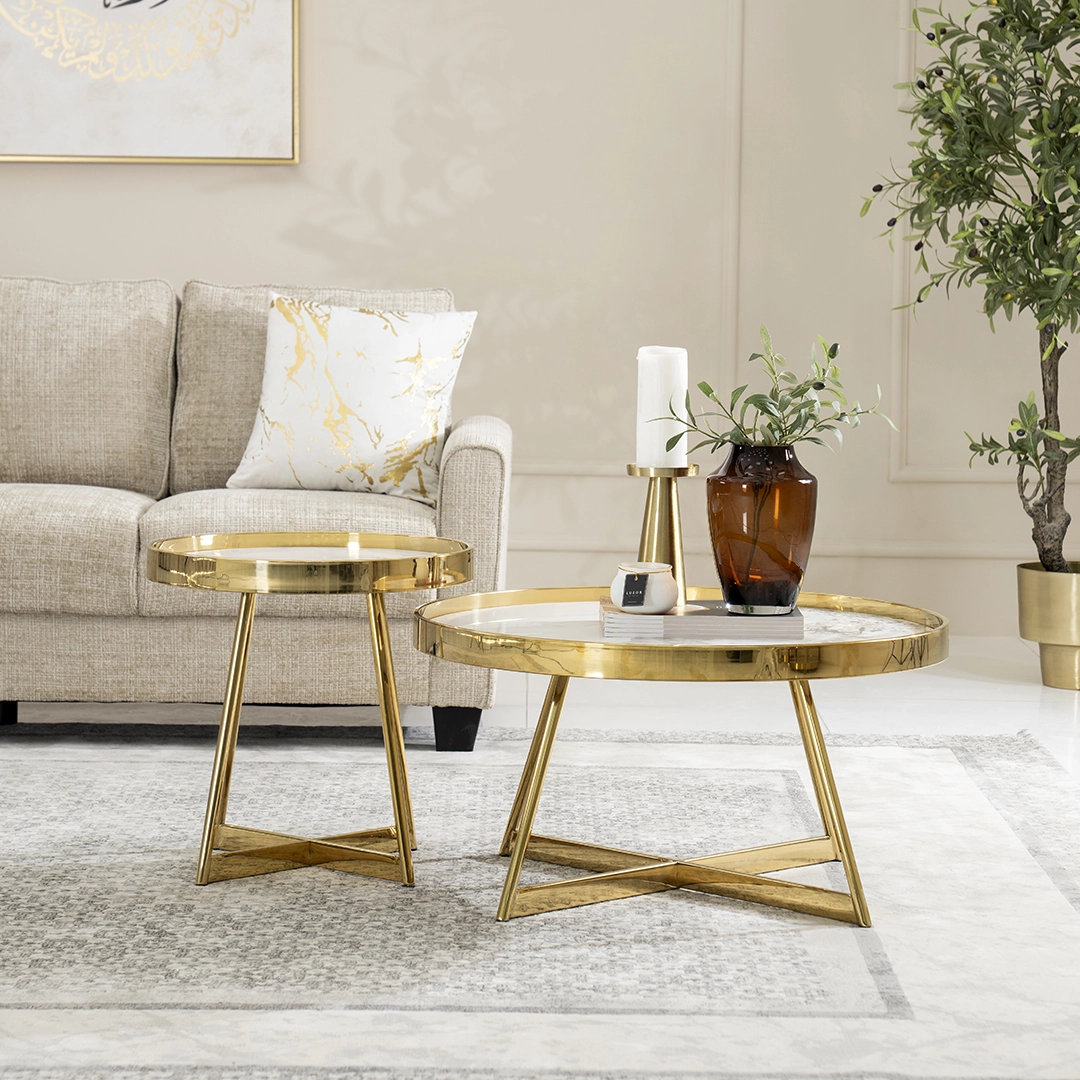
Alexandra 2-piece Coffee Table Set-Gold
Original price was: AED 1,280.AED 896Current price is: AED 896.NEW ARRIVALS
Redefine Your Living Space with Stunning Coffee Tables!
A coffee table is one of the first things people notice walking into a living room, and one of the most useful. It’s where the remote ends up, where a coffee cup gets set down, and where a stack of magazines lives between guests. Getting the size, shape, and style right makes a bigger difference to how the room feels than most people expect.
Coffee Table Shapes
The Home stocks coffee tables in round, square, and rectangle shapes, and each one suits a different kind of room.
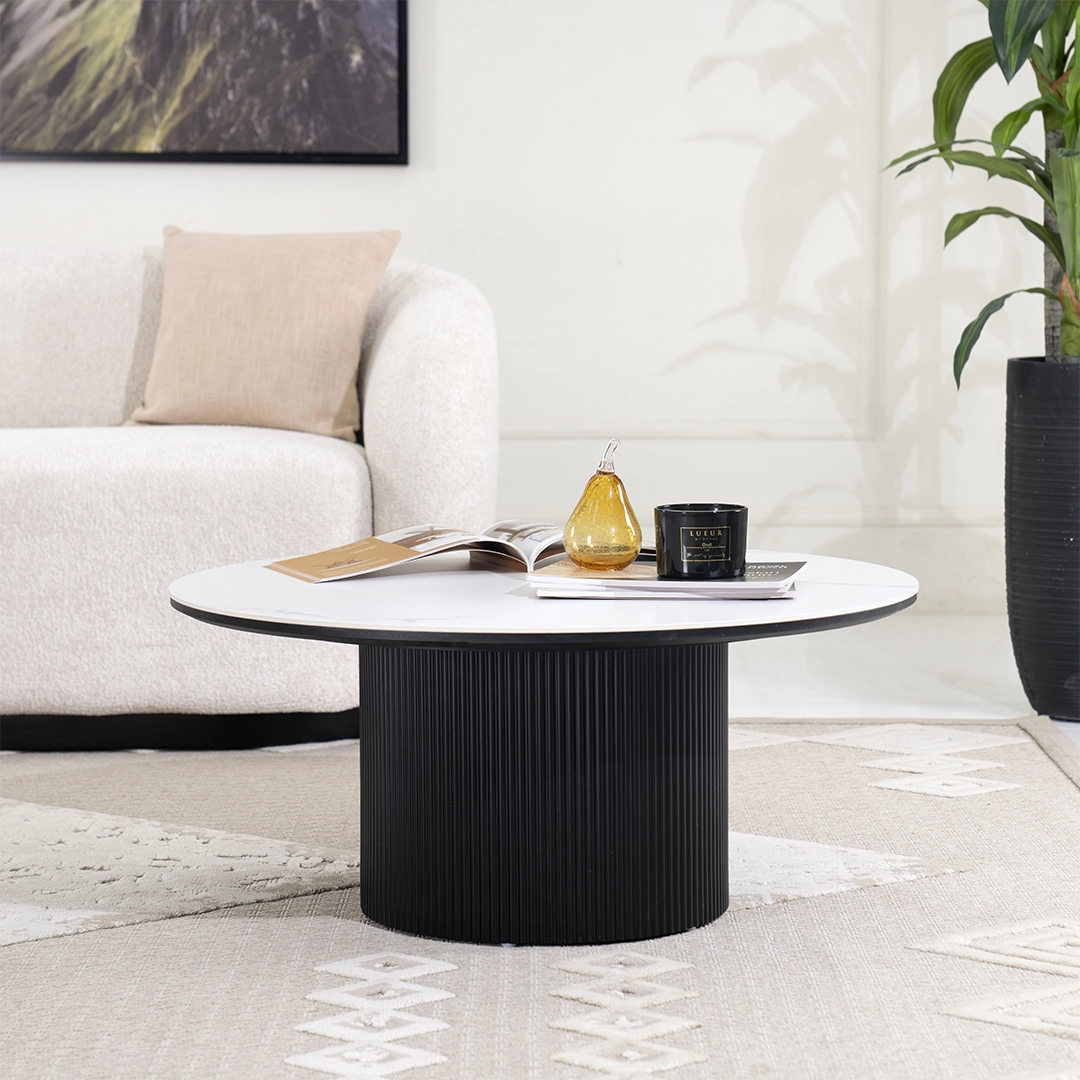
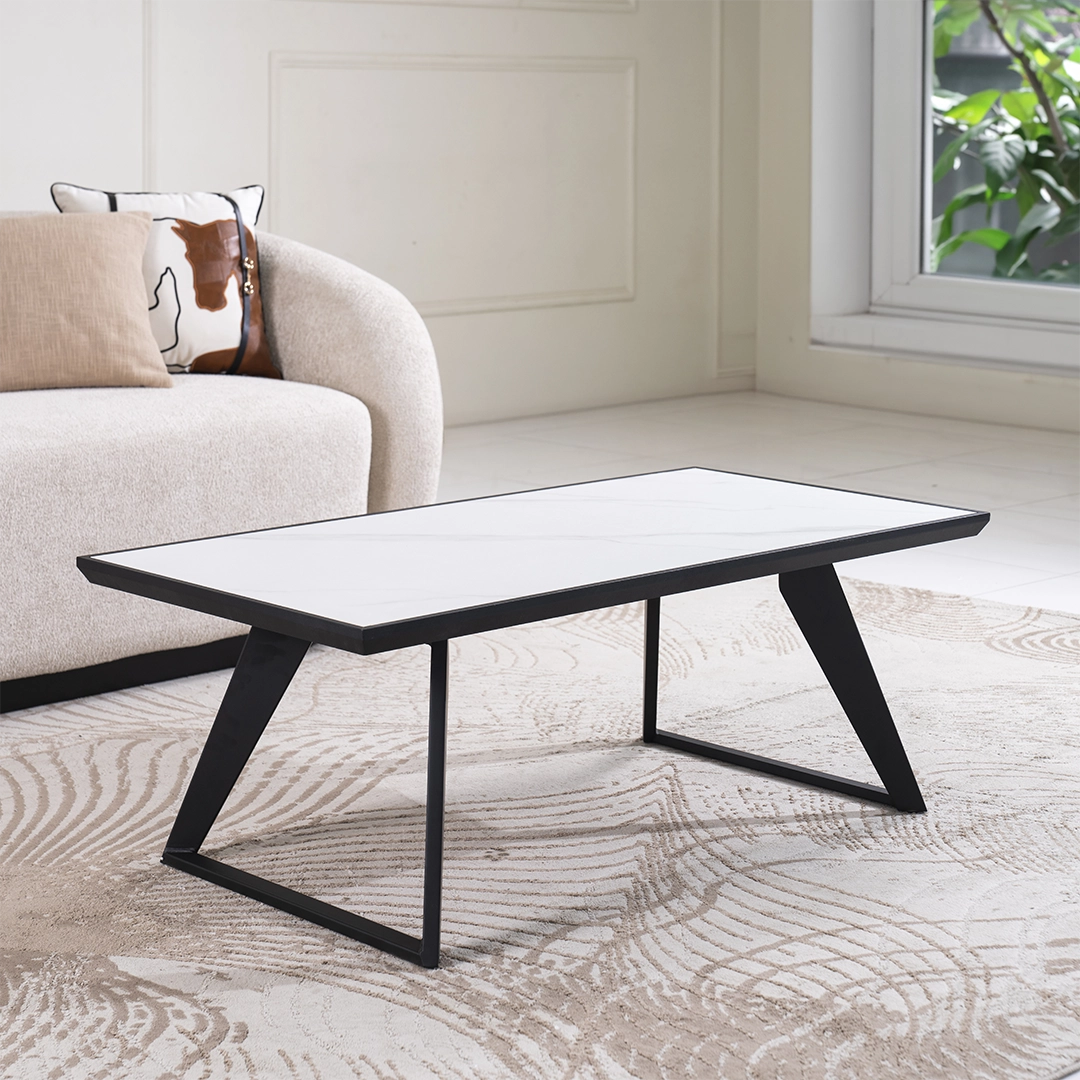
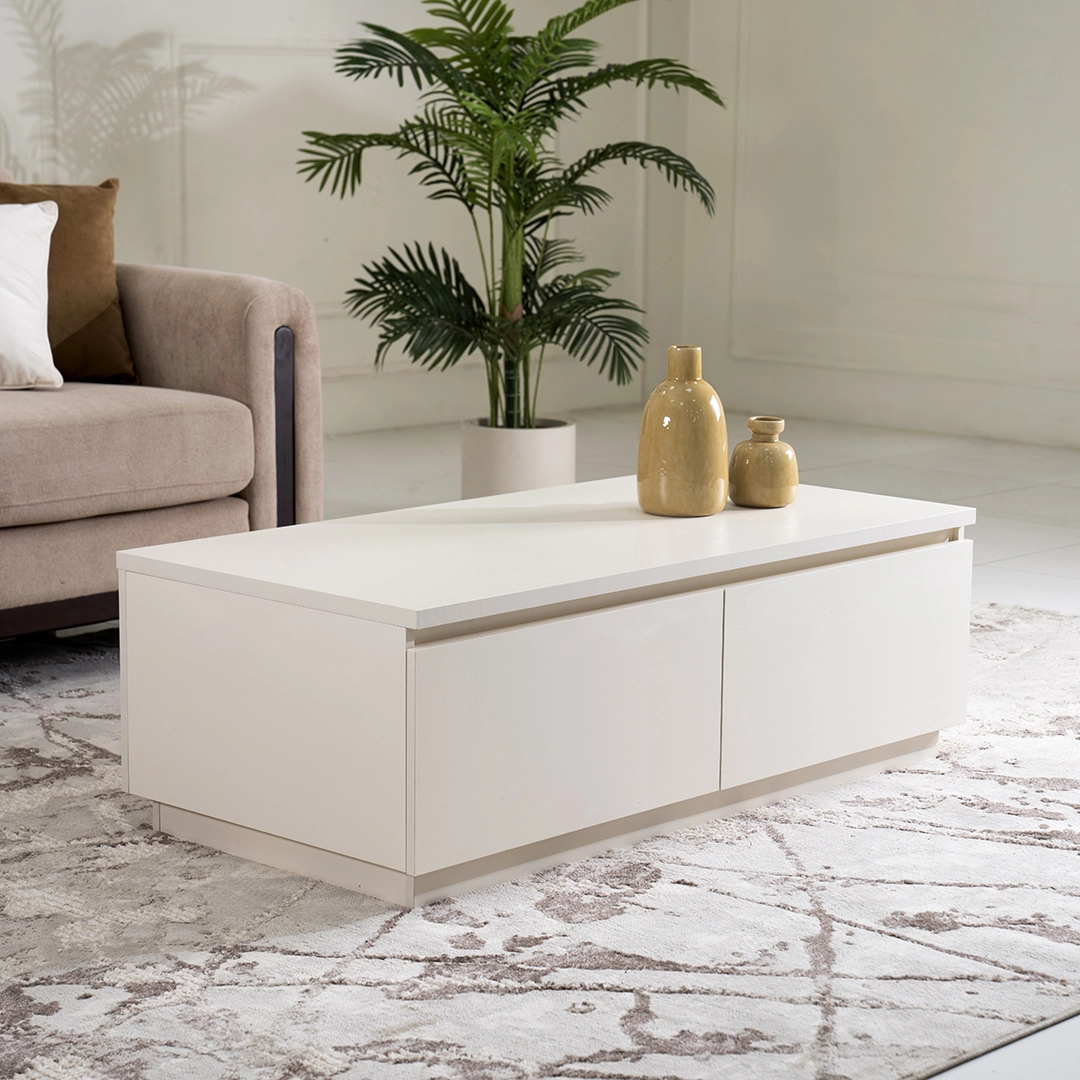
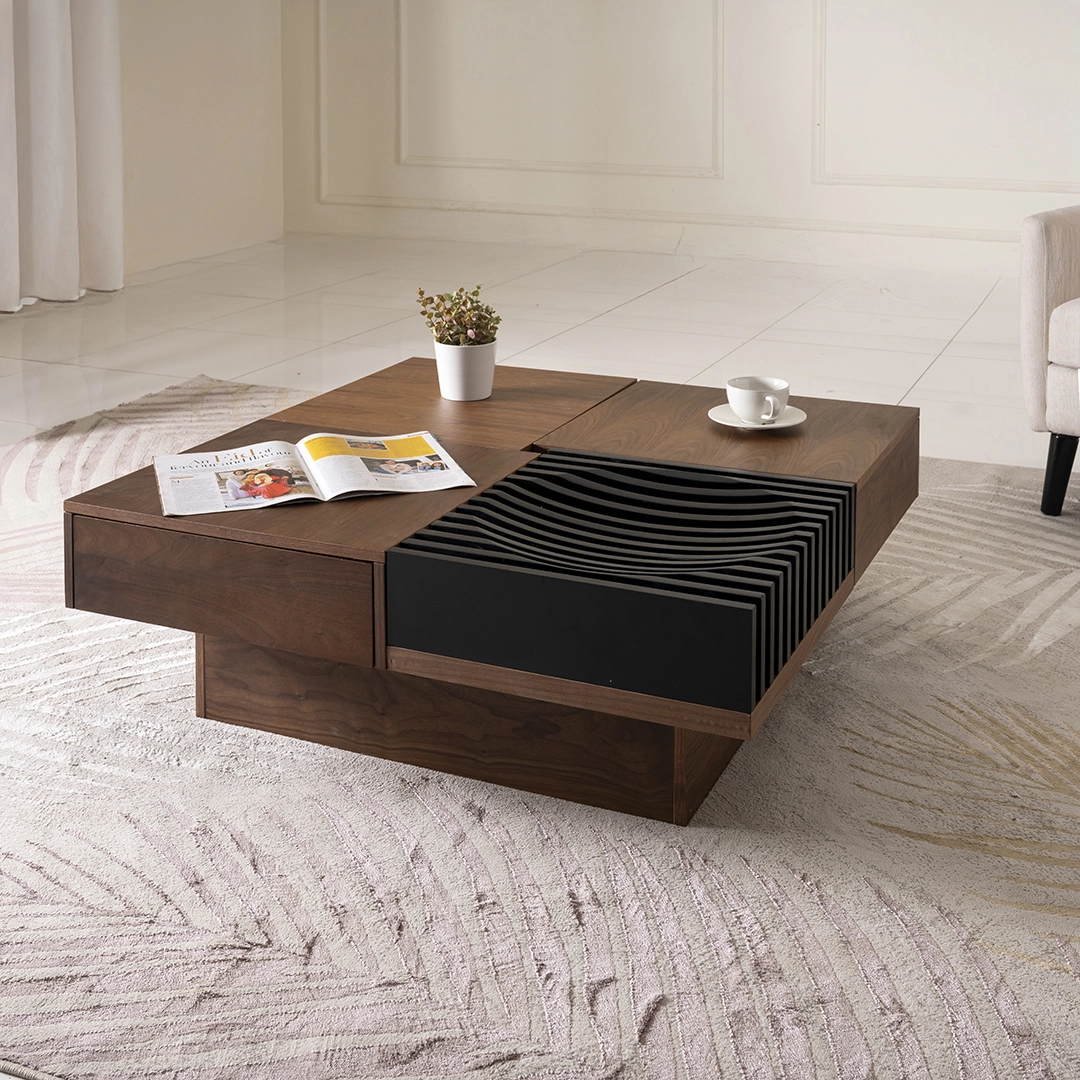
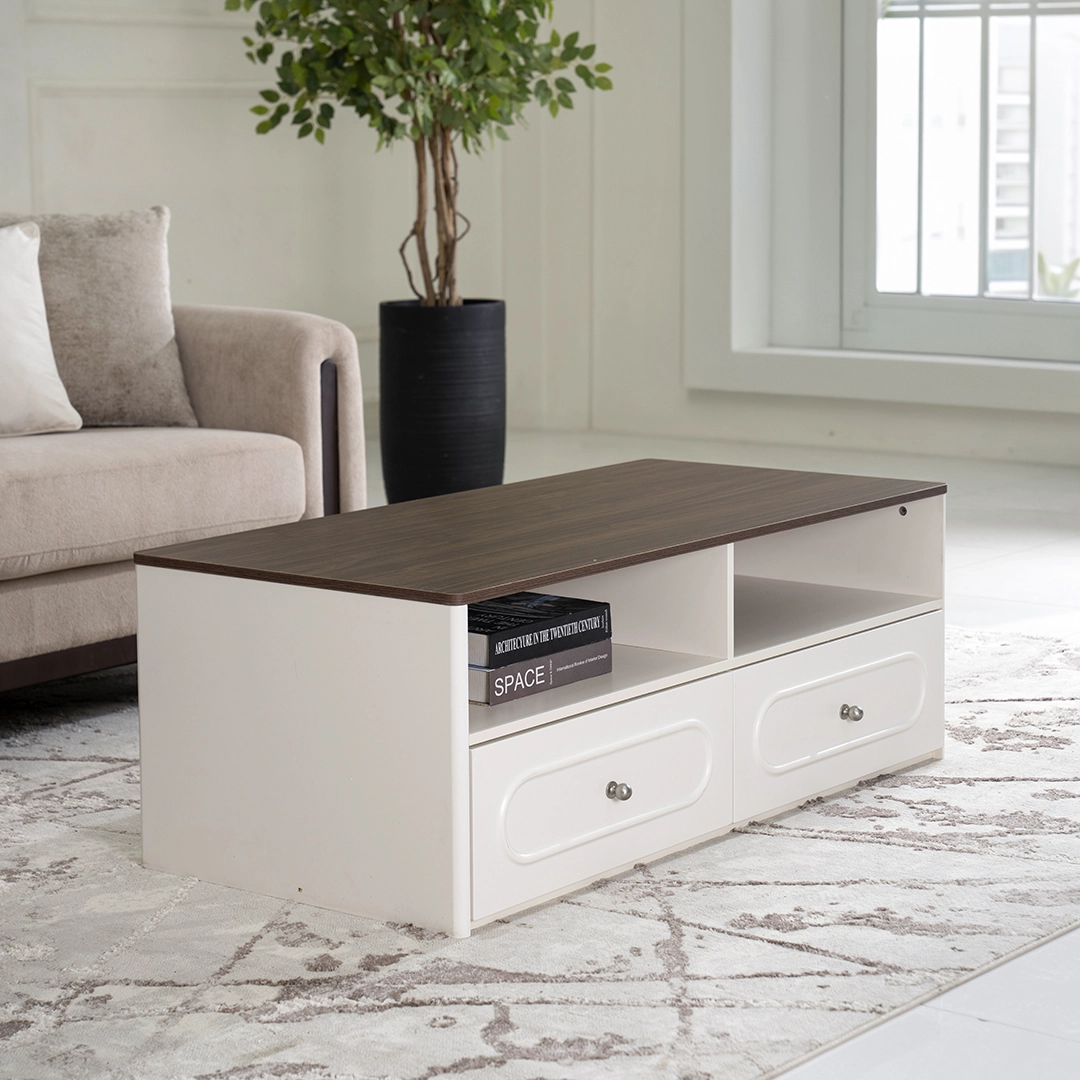
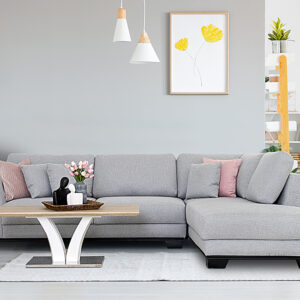
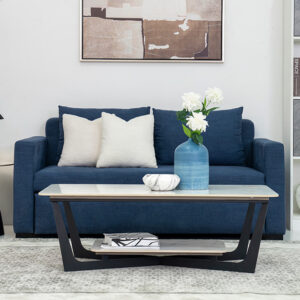
A round coffee table works well in smaller or more open-plan living rooms, since there are no sharp corners to navigate around, making it a safer and easier option if you have kids or a tighter walking space. A square coffee table sits nicely with symmetrical seating, like a sofa facing two armchairs, and tends to suit more compact rooms where you want the table to feel balanced rather than dominant. A rectangle coffee table is the most common choice for larger living rooms, especially in front of a 3-seater or corner sofa, since the longer shape matches the length of the seating and gives more surface area.
In most Dubai and Abu Dhabi apartments, where living rooms tend to be narrower than in villas, a round or compact rectangle usually leaves the room feeling more open than a wide square would.
Coffee Table Sets vs a Single Table
A coffee table set means two or more matching pieces sold together, usually a main table with one or two smaller nesting tables that tuck underneath. A single table is exactly what it sounds like: one standalone piece.
Sets tend to make sense when you entertain regularly, since the smaller tables pull out for extra drinks or plates and slide back when you’re done. They also suit rooms where you want everything to match without hunting for pieces that coordinate, and they work well in apartments where a second surface is useful but a permanently placed side table would crowd the floor.
A single coffee table is the better choice if the room already has side tables doing that job, if you want one piece to be the visual focus rather than a matched group, or if you’re working with a genuinely small living room where nesting tables would just add clutter.
One thing worth knowing before you decide: nesting tables in a set are usually noticeably shorter than the main table. That’s intentional, so they slide under, but it means they suit holding a cup or a bowl rather than working as a full second surface.
Coffee Tables With and Without Storage
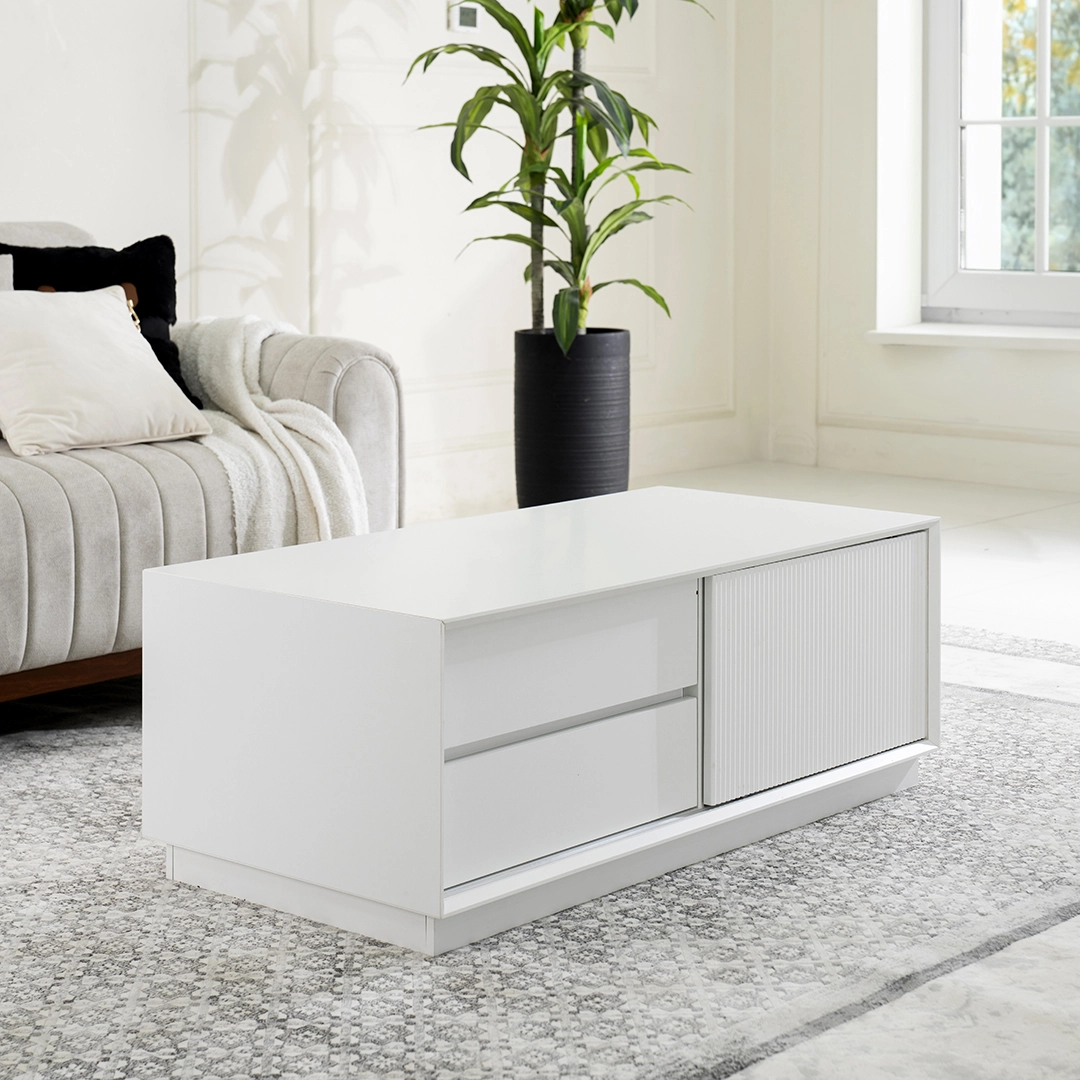
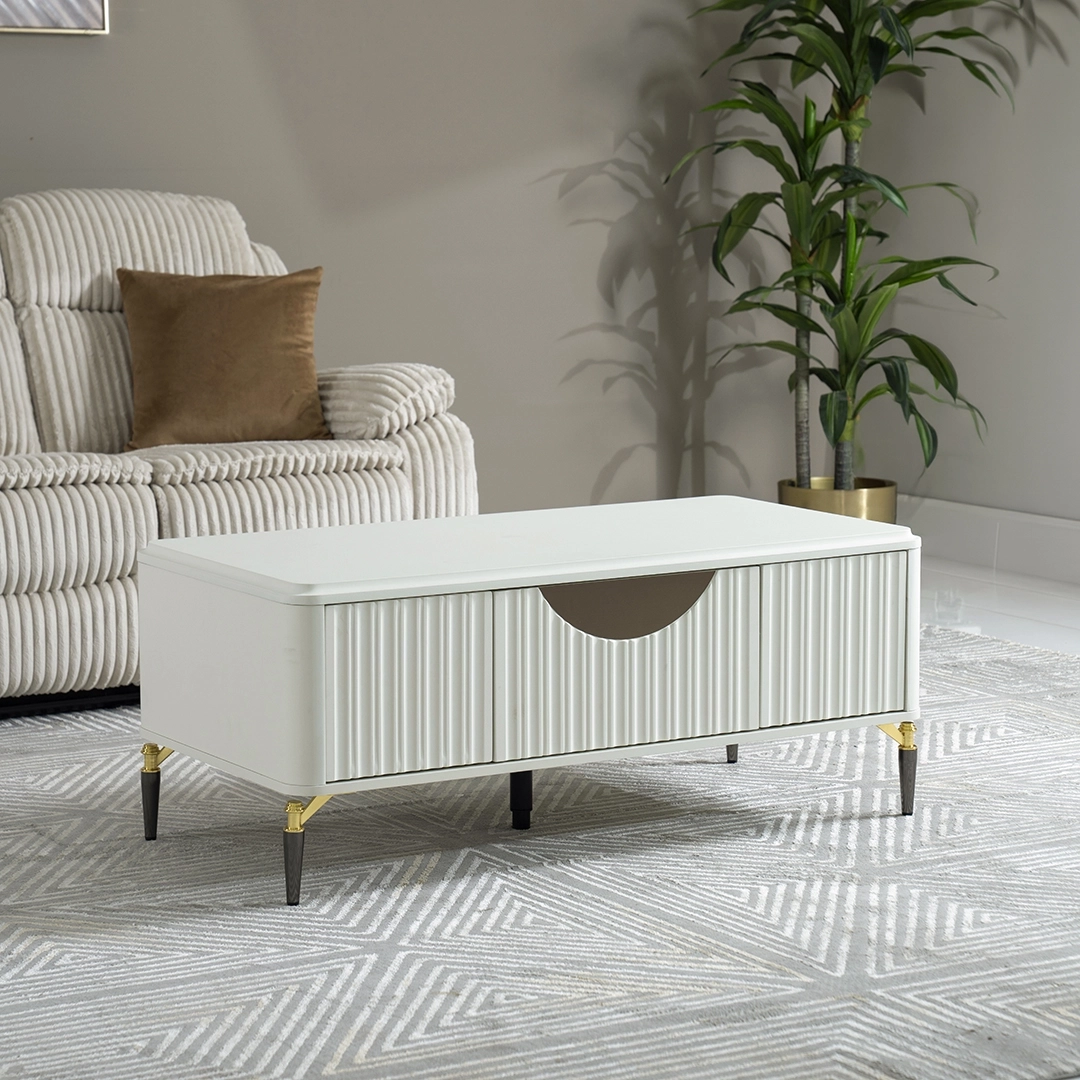
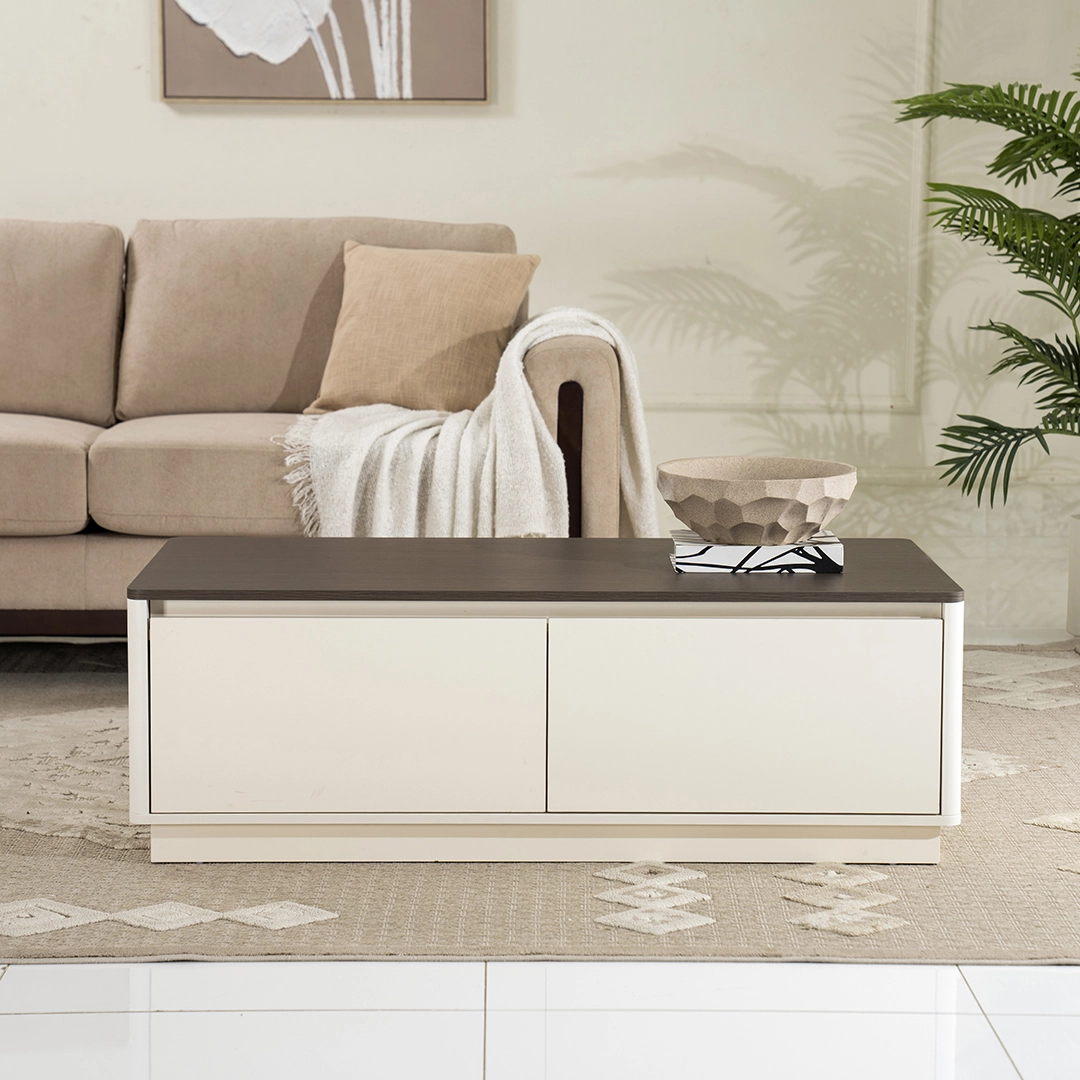
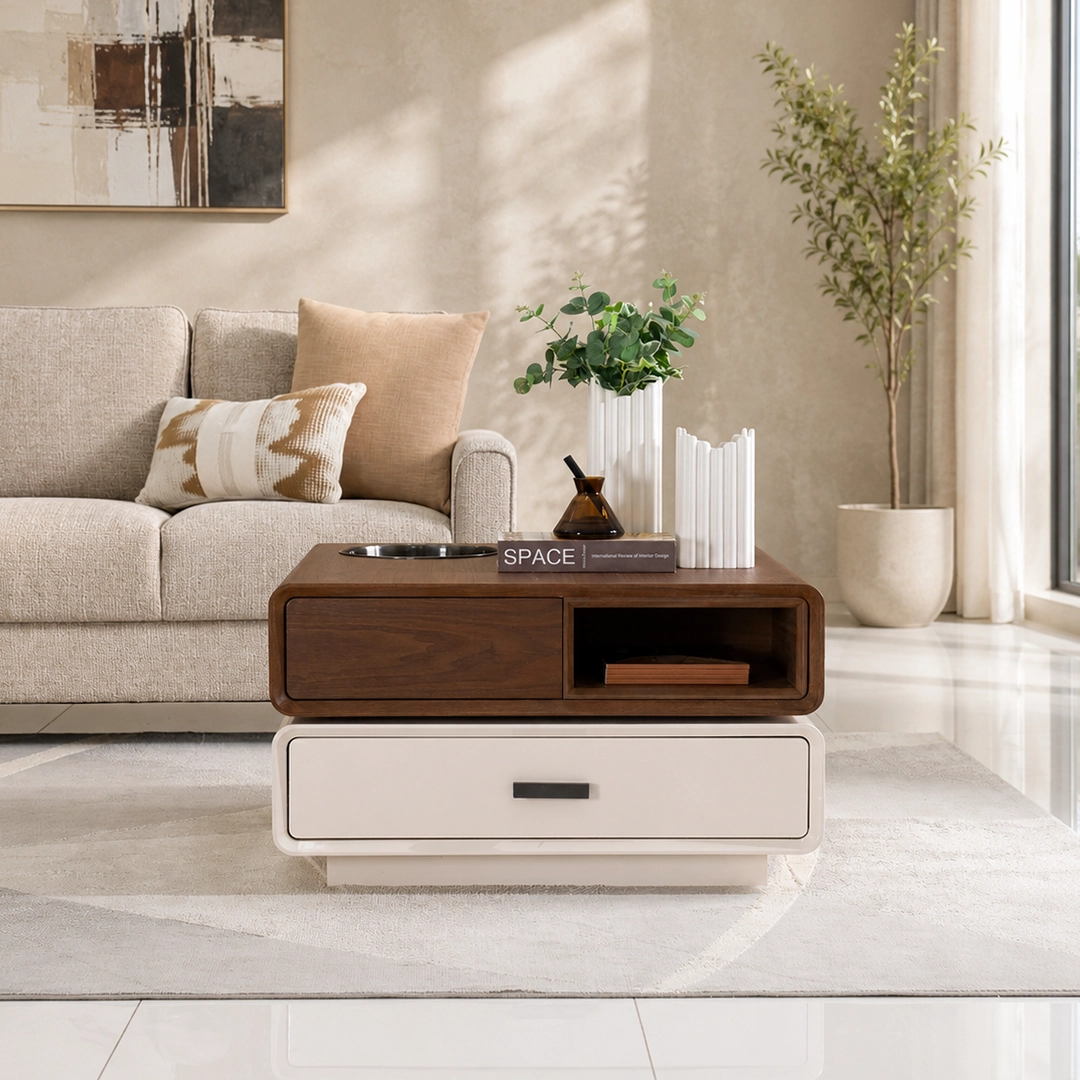
If you need somewhere to keep remotes, coasters, or magazines out of sight, a coffee table with storage is worth looking at The Home’s range includes options with drawers, shelves, and lift-top compartments built in, which is especially useful in smaller apartments where every piece of furniture needs to do more than one job. If you’d rather keep things simple and open, the tables without storage give a lighter, more minimal look, usually with just an open lower shelf for books or decor.
Materials
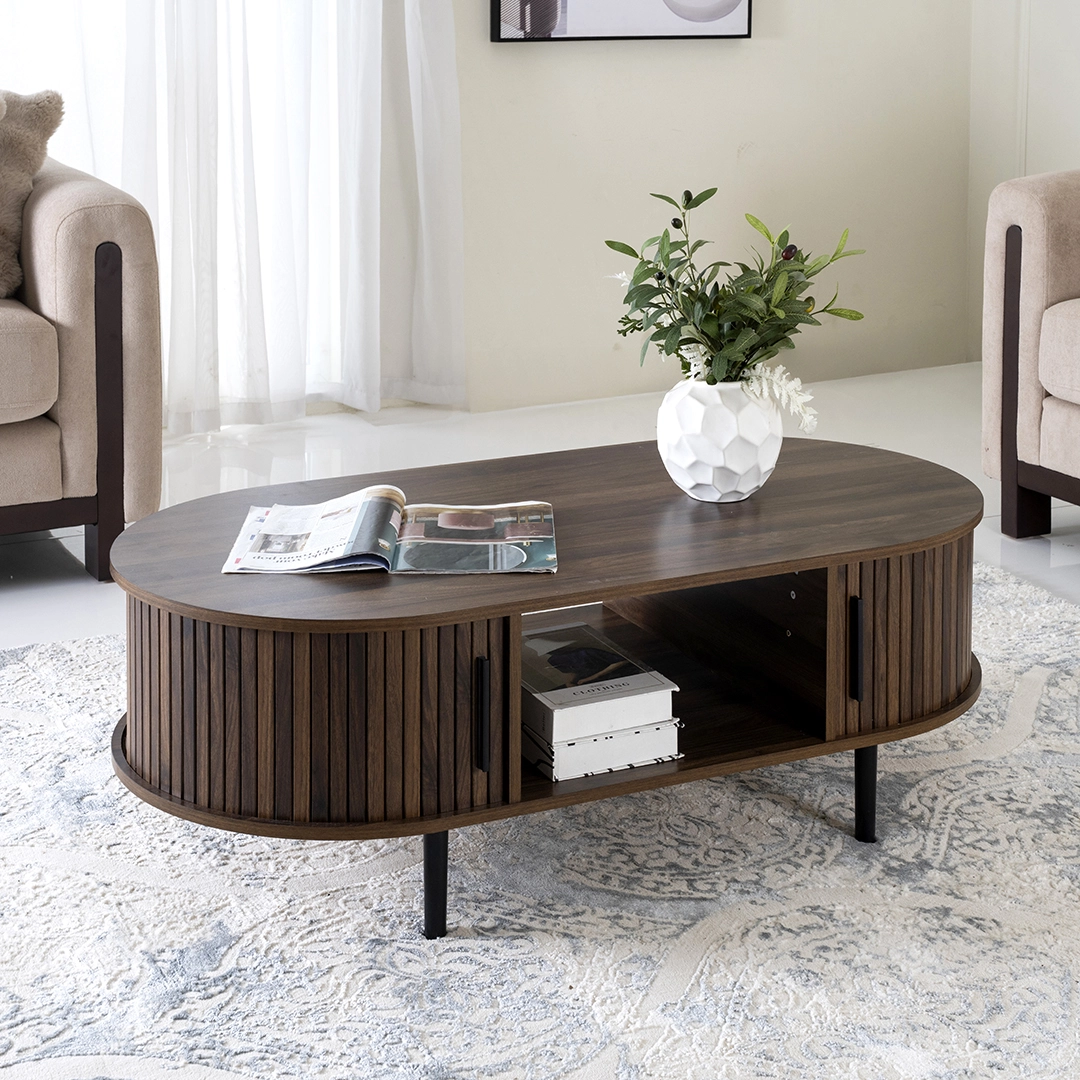
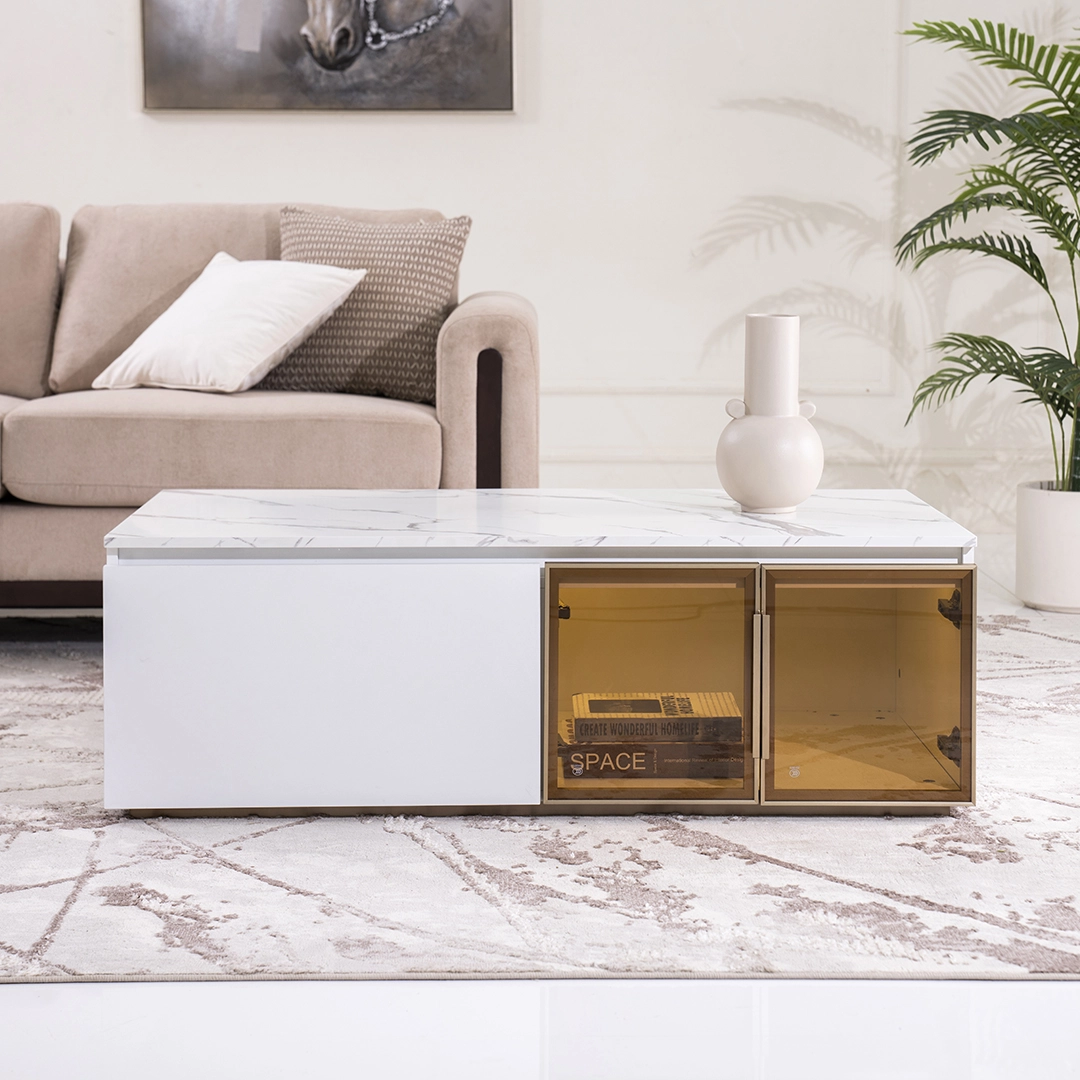
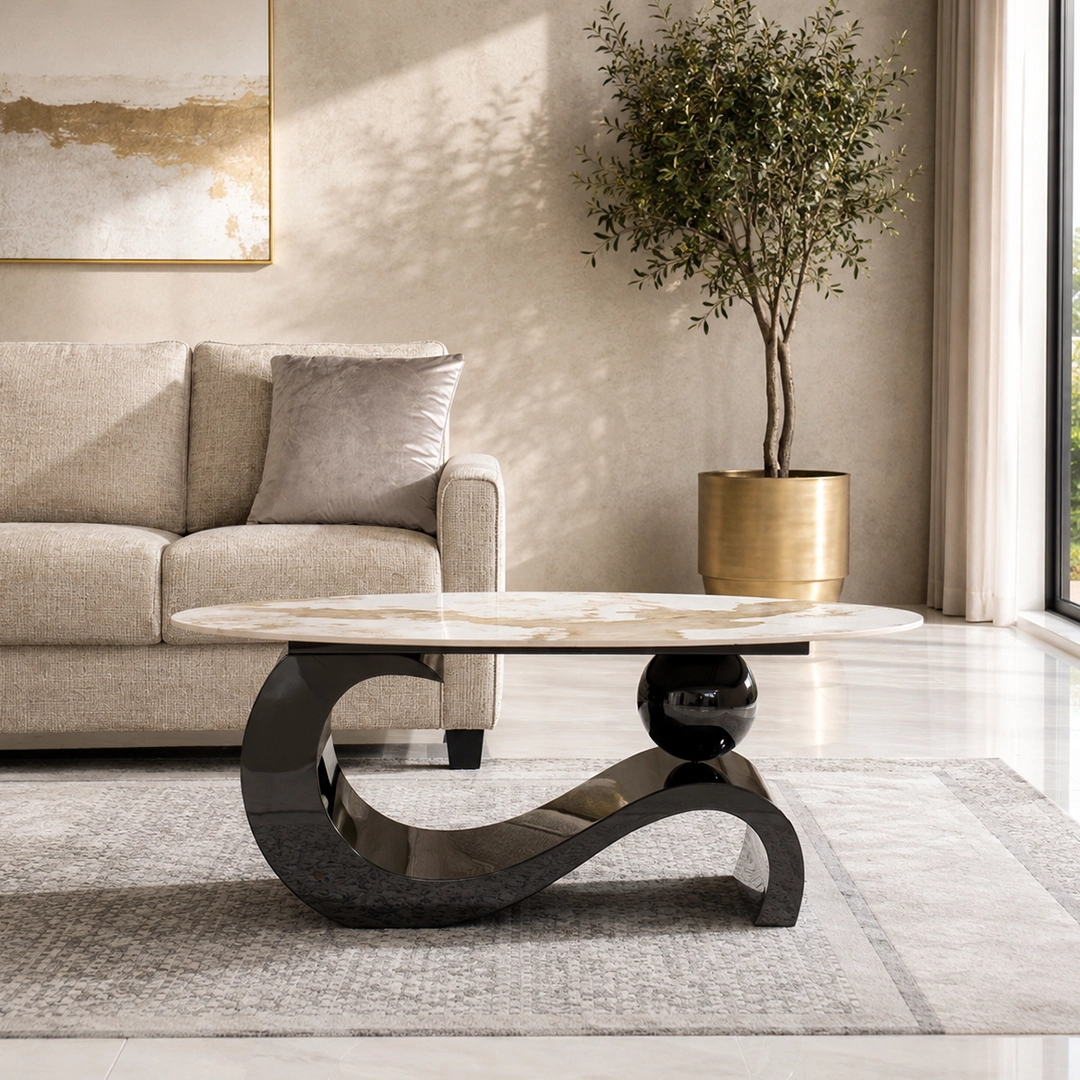
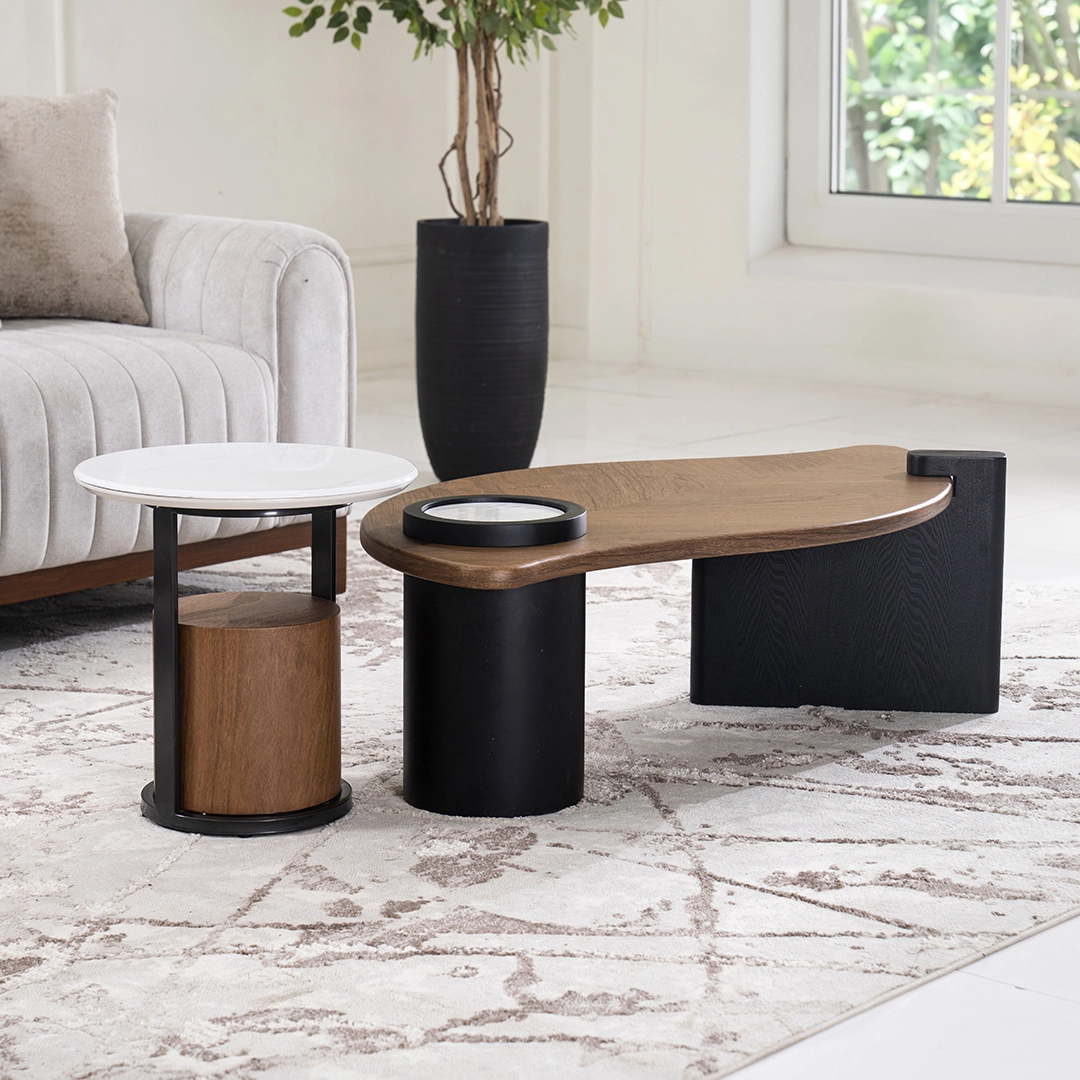
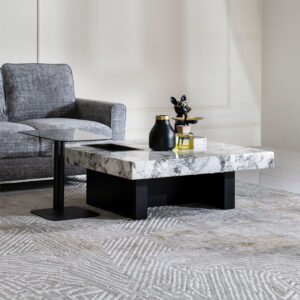
The Home’s coffee tables come in wood, glass, marble-effect, and metal-framed designs. Wood gives a warmer, more traditional feel and tends to suit classic or transitional living rooms. Glass-top tables feel lighter and work well in smaller spaces since they don’t visually crowd the room. Marble-effect tops add a more premium, contemporary look, often paired with metal or gold-toned legs. Metal-framed tables generally suit modern or industrial-style interiors, and tend to be more durable for daily use.
Finding the Right Size for Your Living Room
A coffee table should sit close to your sofa’s seat height, generally between 40 and 50 cm tall, and roughly two-thirds the length of the sofa in front of it. Leave at least 30 to 45 cm of walking space between the table and the sofa so the room still feels comfortable to move around in. Smaller living rooms and apartments often suit a round or smaller square table, while larger rooms with sectional or corner sofas can take a bigger rectangle table without feeling crowded.
Buying a Coffee Table in the UAE
Measure before anything else. The most common regret is a table that looked right online and turns out to swallow the walking space once it’s in the room. Take the length of your sofa, work out two-thirds of it, and use that as your starting point.
Think about how the room actually gets used. A household with young children is better served by rounded corners and a solid wood or metal top than by glass. A room that mostly hosts adults in the evening can take a marble-effect or glass piece without much worry.
Consider what else is in the room. A coffee table doesn’t have to match your TV unit or side tables exactly, but the finishes should sit comfortably together — warm woods with warm woods, cooler greys and blacks with each other.
The full range is available to order online with delivery across Dubai, Abu Dhabi, Sharjah and the rest of the UAE, and you can see pieces in person at the Dubai showroom if you’d rather check the finish and height before buying. Browse the wider living room furniture collection to see how the tables sit alongside the rest of the range.
Frequently Asked Questions
How tall should a coffee table be?
Around 40 to 50 cm, close to the seat height of your sofa. If it sits much higher or lower than that, it tends to look and feel out of place next to the seating.
How do I pick a coffee table size that matches my sofa?
A good rule of thumb is to go for a table roughly two-thirds the length of your sofa. For a standard 3-seater, that usually lands somewhere around 100 to 130 cm long, though it’s worth measuring your actual sofa rather than relying on a fixed number.
Which coffee table material holds up best with kids or pets around?
Solid wood and metal-framed tables tend to handle daily wear better than glass or marble-effect finishes, since they’re less likely to show scratches or chip at the edges. Rounded corners are also worth considering if you have young children.
Is it necessary to have both a coffee table and side tables?
Not strictly, but the two do different jobs. A coffee table is the main surface in the middle of the seating area, while side tables sit next to individual chairs or sofa ends for a drink or lamp within easy reach. In larger living rooms, having both usually makes the space more functional.
Is it okay to mix side table heights in one room?
Yes, and it’s actually a common styling choice. Slightly varying heights between side tables can add visual interest to a room, as long as each one still makes sense next to the seat or sofa arm it’s placed beside.
How many tables should a living room actually have?
Most living rooms work well with one coffee table plus one or two side tables, depending on the size of the room and how much seating there is. Larger rooms with sectional sofas sometimes add a second coffee table or an extra side table to balance out the space.
What size coffee table is proportional to my sofa?
See the sizing guidance above roughly two-thirds the sofa’s length, sitting close to seat height.